

National
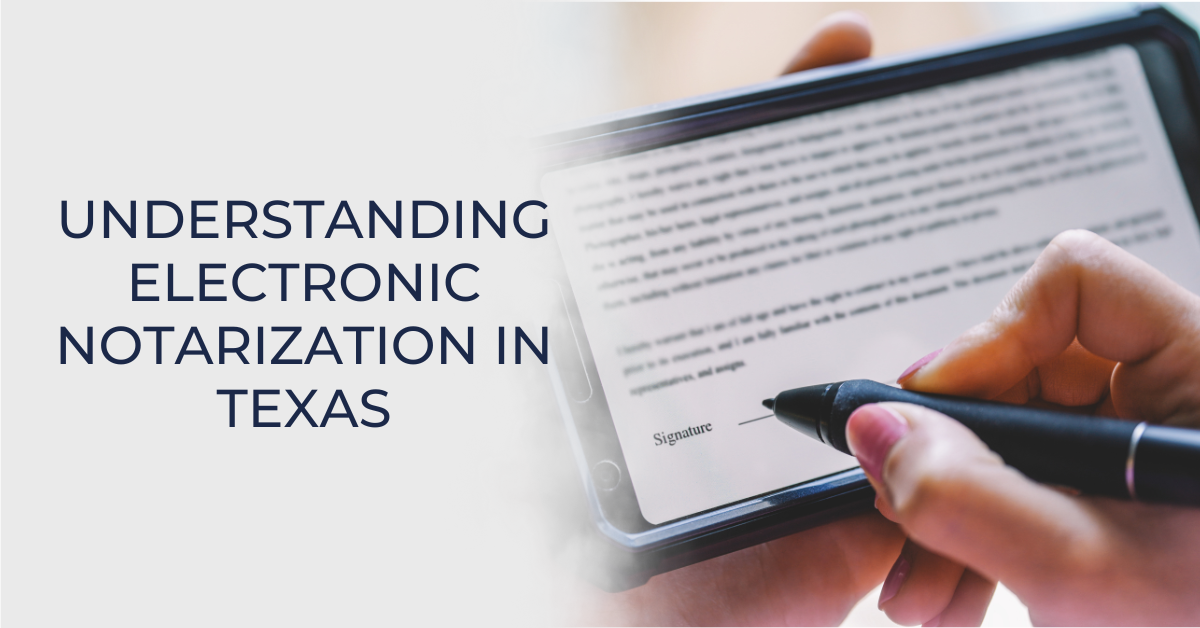
As more transactions go digital, notaries are adapting through the use of electronic notarizations (also known as “e-notarizations”). In Texas, the law allows commissioned notaries to perform electronic notarizations for physically present individuals—provided certain requirements are met.

October is the month of chills, thrills, and spooky movie marathons! Just like those horror movie characters who miss the signs of impending doom, don't be a notary who overlooks the path to compliance.

Verifying the credentials of a notary is easier than ever! Most states offer web-based databases accessible to the public, ensuring transparency and trust in the notarial process. Learn how to access and utilize these valuable resources.
Read more: How do I know that a person claiming to be a notary really is one?

Notaries often rely on intuition to gauge the atmosphere during a signing, especially when it comes to assessing a signer's awareness and potential coercion. As a Notary Public, it is crucial to remain vigilant and recognize red flags that may suggest the signer is not fully aware or might be under duress.
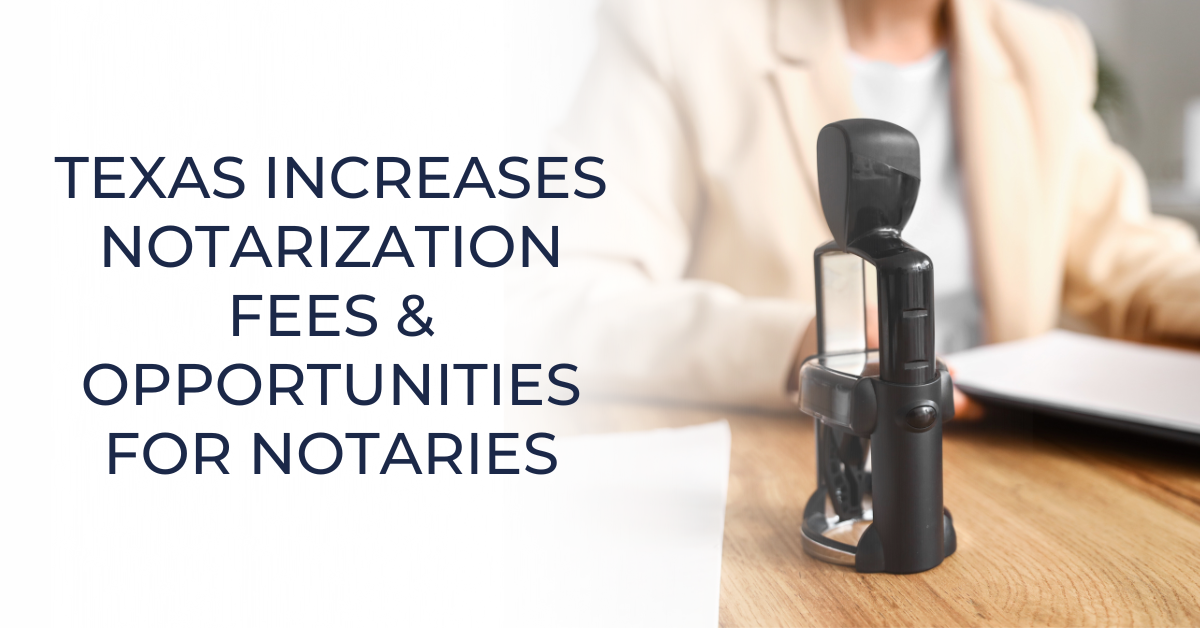
Texas notaries public received welcome recognition of their value and expertise with a new, notarization fee increase that took effect on September 1, 2023.
Read more: Texas Increases Notarization Fees & Opportunities for Notaries
More Articles ...
- The Power of Remarkable Leadership: A Look Inside NPU
- What do I do with my record book (journal) entry when a notarization is cancelled (not completed)?
- Notary Education - A Long Term Commitment
- No Notarial Certificate on the Document
- Texas Governor’s Executive Order: Appearance Before a (Traditional) Notary Public by Videoconference Technology, Specified Document Types Only