

National

Changes are coming for Georgia notaries starting January 1, 2025! All notaries performing acts for "self-filers" will be required to document these in a notary journal—either written or electronic. Learn how you can stay ahead of the changes and prepare for this important update. Don't miss out on key details to ensure you're fully compliant!
Read more: Georgia Notary Law Update: New Journal Requirement Effective January 1, 2025

Contrary to popular belief, issuance of a medallion signature guarantee is not a standard duty of America’s notaries public. Instead, this service is performed only by certain banking and financial institutions. Understanding what a medallion signature guarantee is and how to obtain one can help both notaries and persons in need of this service.

For many new notaries, receiving a notary commission is a joyous occasion. Be aware that although you may want to celebrate by sharing a photograph of your notary certificate or stamp impression online, you should refrain from it in order to minimize your risk of a scammer impersonating you!
Read more: Protect Your Commission Certificate and Stamp Image!
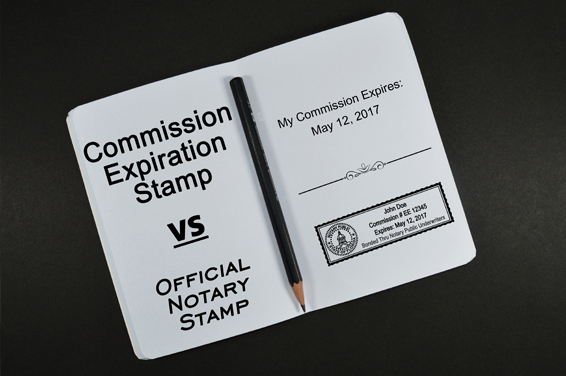
The official notary seal is the symbol of office that is universally expected on notarized documents. Notary seals can vary in size, dimension, and the information they contain. Certain states require their notaries to include their commission expiration date, along with their official notary seal, in the notarial certificate. A commission expiration date stamp is a useful way to add information, but a commission expiration date stamp is not an alternative to a notary’s official seal.
Read more: Don’t Confuse Your Official Stamp With A Commission Expiration Date Stamp!

Notaries are trusted to be unbiased and impartial in every notarial act they perform. Conflicts of interest can occur when a Notary has additional interests such as gaining a financial or material benefit from the transaction. A Notary acting out of self-interest can compromise trust in the notarial act, and raise questions about the transaction. They can also be held financially responsible for damages.

Effective January 1, 2025, every Georgia notary public who performs a notarial act at the request of a “self-filer” must document the notarial act in a “written” (paper) or electronic journal.